
Lifecycle Economics
Five Problems B2B-OEM Aftermarket Organizations Live With
Disposition, E&O, returns, governance, and unit-level history — five daily decisions made without economics attached, and what Tallgrass does about each.
6 min read
Reuse, harvest, resell, controlled scrap — the call is usually made by static routing rules and tribal knowledge. SKU Surfer attaches economics to the disposition decision itself.
Reuse, harvest, resell, controlled scrap — in most post-sales operations that call is made by static routing rules and tribal knowledge. So the sustainable path gets taken on faith, or not at all.
SKU Surfer attaches economics to the disposition decision itself: every competing path priced per SKU, per condition, before the unit or the line item moves.
A returned unit or an E&O line item — FGI, parts, or components, from returns, trade-ins, or excess and obsolete inventory — enters the decision engine. SKU Surfer prices every disposition path on current demand, condition, and recovery cost, then ranks them:
Full builds, partial builds, harvest, resale, and scrap — all decided by economics. That is the entire product.
Answering "what is the best economic use of this line item" across thousands of SKUs is manually impossible — so E&O gets reserved and scrapped. Pointed at the E&O file, SKU Surfer returns a ranked recovery plan instead of a write-down queue.
When reuse and harvest win on documented economics — not sustainability goodwill — the circular decision survives budget season. Reuse rates and the P&L stop pulling in opposite directions.
The ranking happens before the unit is committed to a path, and every decision carries its economic rationale — auditable afterwards, defensible to finance, repeatable at volume.
The circular option does not lose because it is wrong. It loses because no one priced it. Price it, and it wins on its own merits.
Follow Tallgrass on LinkedIn
Decision science, lifecycle economics, and agentic systems — published where engineering leaders read.
Disposition, E&O, returns, governance, and unit-level history — five daily decisions made without economics attached, and what Tallgrass does about each.
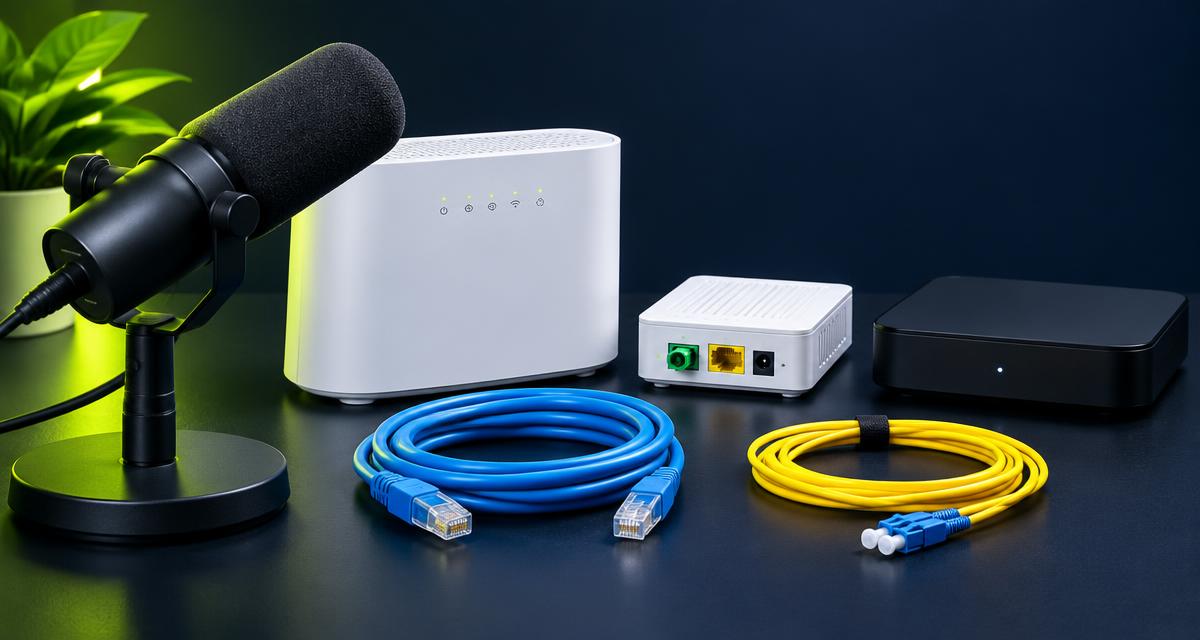
No single show in this guide covers the cable CPE lifecycle end to end. Here are 13 operator, aftermarket and supply chain shows that come closest, with links.
How the FCC's foreign-router ruling turned the broadband installed base into a supply chain — and why aftermarket leaders need a second racetrack to run it.