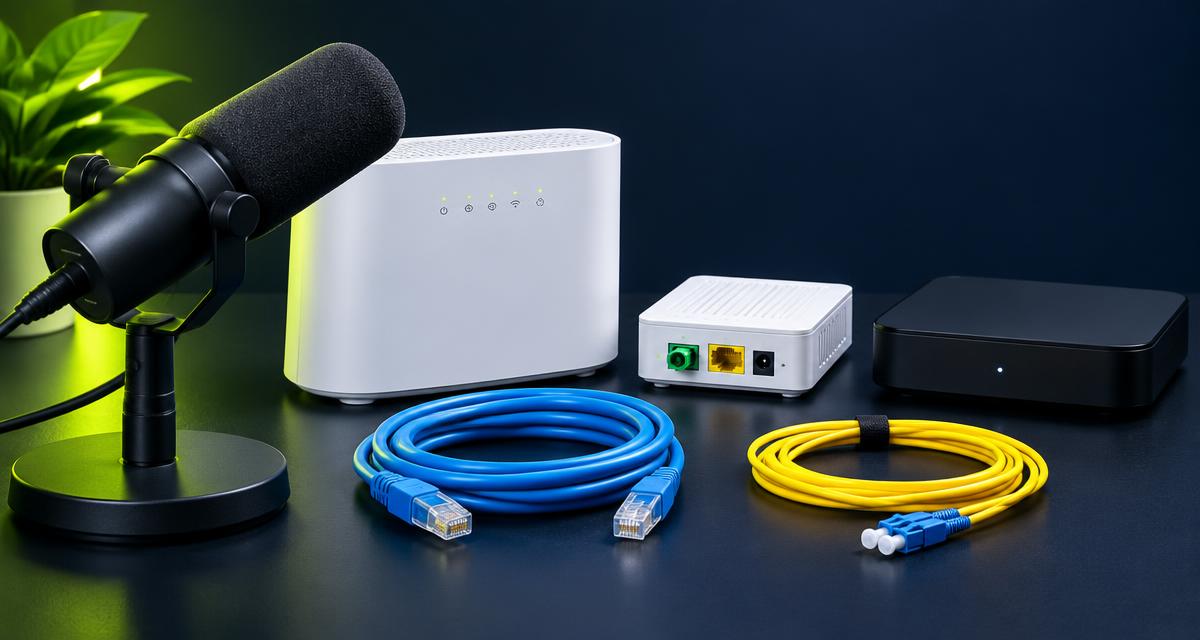
On March 23, 2026, the FCC added foreign-produced consumer-grade routers to its Covered List. The guidance that followed made clear the definition reaches the integrated modem-router gateways that cable and broadband operators lease to subscribers. Because "produced" includes design, development, manufacturing, and assembly anywhere outside the U.S., that describes nearly every DOCSIS, PON, and fixed-wireless gateway on the market.
New models from foreign producers can no longer receive FCC equipment authorization without a conditional approval from the Department of War or Department of Homeland Security. Existing authorizations remain valid, but modifications to those designs are largely frozen.
The industry has spent the months since filling the gap with temporary relief: conditional approvals for vendors such as Hitron, Sagemcom, Vantiva, Arcadyan, Nokia, and Calix, with reported expiration dates between October 2027 and January 2028; a one-year waiver granted in June to NCTA members' suppliers to allow substrate and memory substitutions in already-certified designs; and an extension of the software and firmware update waiver to at least January 1, 2029.
Every one of those measures has an end date. One asset class does not: the gateways already sitting in subscribers' homes.
A supply problem hiding in the installed base
Most operators and CPE manufacturers run their equipment business on what Tallgrass calls the Customer Racetrack — the familiar loop of acquire, onboard, use, renew, and expand. The question it answers is how to move a subscriber from one service tier to the next. Under that model, a returned gateway is a cost line: a truck roll, a warehouse slot, eventually a recycling invoice.
The ruling exposes what that model misses. Each previously authorized gateway in the field is now a unit that can be legally redeployed, patched through 2029, and kept in service while new-device approvals remain conditional and DDR4 memory stays scarce. The fielded units, not the purchase order pipeline, have become the most dependable source of supply.
Managing that supply requires the second loop — the Product Racetrack — which follows one unit across multiple subscribers rather than one subscriber across multiple products. Its focus is getting the product from Customer 1 to Customer 2, or 3, or more. Few aftermarket or lifecycle services organizations in broadband run it with any rigor.
Where the value leaks today
Walk a single gateway through the reverse loop and the gaps become concrete.
Identify. When a subscriber disconnects, upgrades, or churns, does anyone know whether that specific unit is a candidate for recirculation? Model, hardware revision, authorization status, firmware lineage, and field fault history usually live in separate systems — billing, provisioning, field service, and the customer equipment register — none of which were built to answer that question.
Deinstall and return. Unreturned CPE has always been a revenue and asset-control issue. It is now a supply issue. A gateway left in a closet is a unit the operator may not be able to replace on the same terms.
Test, grade, and data clear. A residential gateway holds subscriber Wi-Fi credentials, device histories, and network configuration. Before it reaches a second household, it must be wiped and verified — a security event, not a cosmetic refurbishment step. Grading must also confirm the unit matches its original authorized configuration, since modifications outside the waiver are not permitted.
Re-register. A recirculated unit needs a clean identity: a record of its authorization, its second-life status, and its firmware obligations through the January 2029 waiver window. Without that record, a fleet of refurbished gateways becomes an unauditable fleet.
Resell or recirculate — or responsibly recycle. Not every unit should go back out. Some hardware revisions will fail economically or technically. The decision between redeploy, harvest for components, and controlled scrap should be made deliberately, unit by unit, with the economics visible.
The policy calendar is the planning calendar
Aftermarket leaders should read the regulatory dates as lifecycle milestones for their in-service population:
- June 9, 2027: the component-substitution waiver granted to NCTA members' suppliers expires. The FCC order grants it for "one year, until June 9, 2027," and limits it to substrate and memory-module substitutions that do not "improve performance or capability or alter the functionality" of the device. (FCC DA 26-571)
- October 1, 2027 to January 8, 2028: reported expiration dates for the first wave of vendor conditional approvals. Examples include Adtran and Netgear (October 1, 2027), Calix, eero/Amazon, and Nokia (October 31, 2027), Sagemcom (December 5, 2027), Arcadyan (December 12, 2027), Hitron (December 18, 2027), Gemtek (January 3, 2028), and Vantiva (January 8, 2028). (Light Reading, July 10, 2026; Light Reading, Hitron)
- January 1, 2029: the earliest end of the software and firmware update waiver. The FCC's May 8, 2026 public notice extends it "at least until January 1, 2029" and expands it from Class I to Class II permissive changes that "mitigate harm to U.S. consumers." (FCC DA 26-454)
These dates can move. The FCC and the agencies granting conditional approvals can extend, renew, or revoke them. As published today, though, each date changes the economics of a returned unit. A gateway worth redeploying in 2026 may be a harvest or recycle candidate by 2028. That is a decision problem, and it requires data that persists across owners.
Where this lands for Tallgrass
This is the work the Product Racetrack exists to govern. The Lifecycle Performance System (LPS) tracks each unit's status across Identify, Deinstall, and Return. SKU Surfer weighs redeploy, component harvest, resale, and controlled scrap against current supply and regulatory constraints. Revlogix manages the exceptions and D-Gates in the recovery loop. The Digital Product Passport keeps authorization, data-clear certification, and firmware history attached to the unit as it moves from one subscriber to the next.
The Customer Racetrack still matters. Operators will continue to move subscribers to faster tiers and newer equipment. But the FCC ruling has made one point plain: when new supply carries an expiration date, the value already deployed in the field is the asset worth managing.
Sources
Primary (FCC)
Secondary